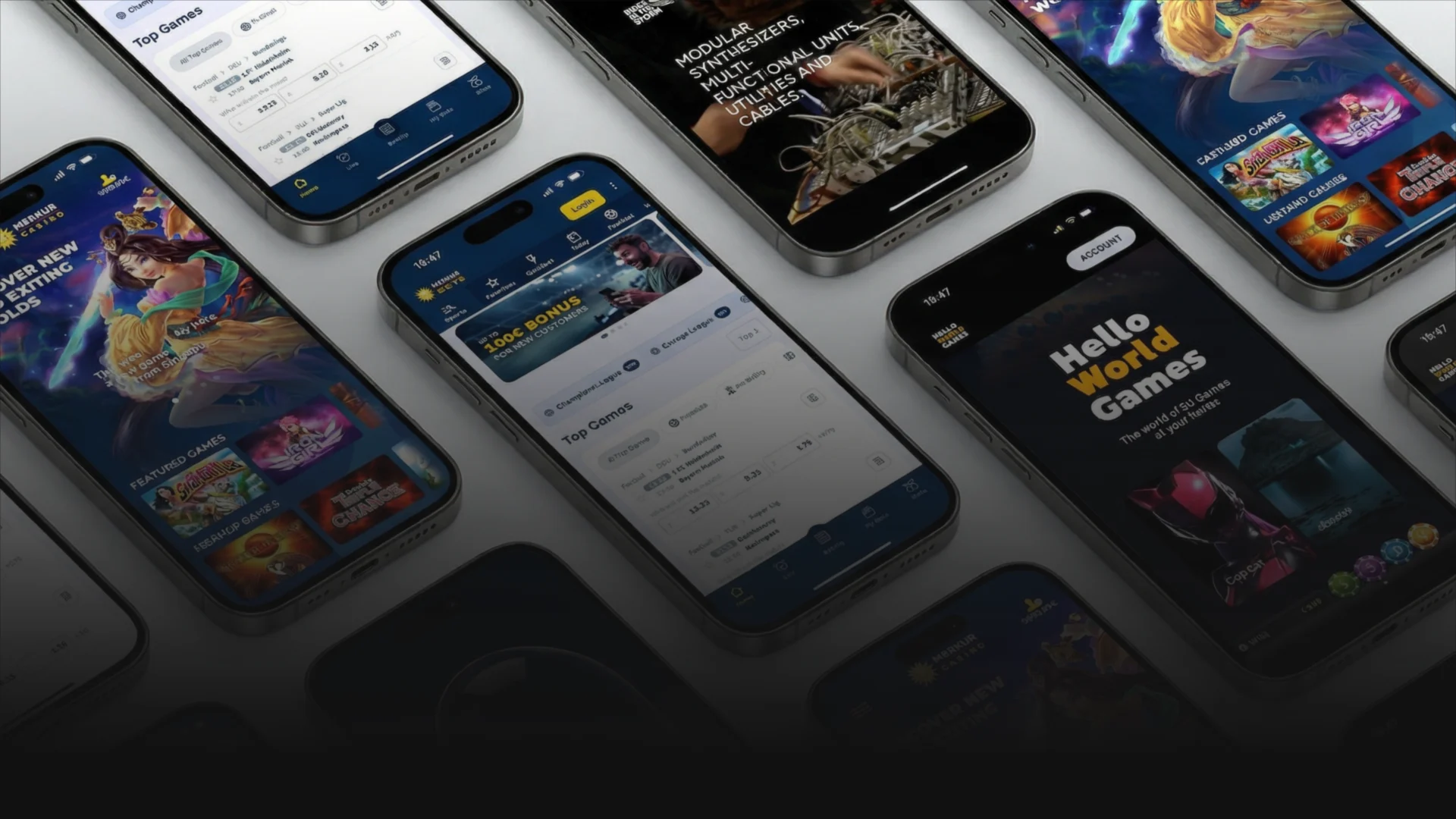
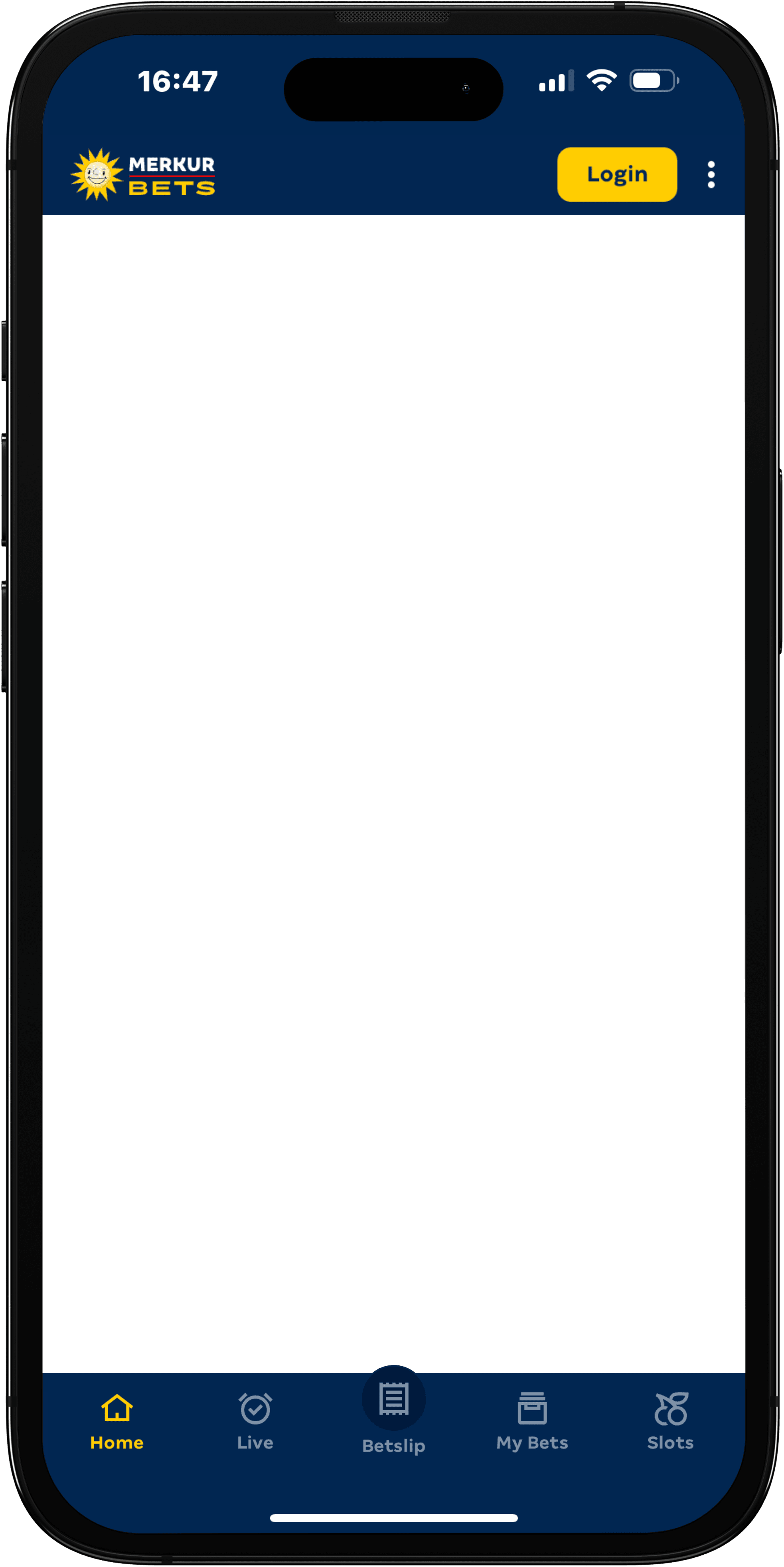


Merkur Bets: Sports Betting Platform
Merkur Bets is a high-complexity platform that serves both as a web interface and a real-time engine designed to manage vast, continuous streams of data. The UX architecture must provide intuitive access to thousands of betting permutations while maintaining a banking-grade security infrastructure.
Technical & Regulatory Integration
The platform operates under rigorous German regulatory standards. This requires the seamless integration of several high-security protocols within the user journey:
KYC (Know Your Customer): Automated account verification and identity management.
Schufa Integration: Real-time credit and eligibility checks.
LUGAS Connection: Synchronizing with the German national central registry to monitor user limits and cross-operator compliance.
Platform Verticals
The interface is divided into three primary functional areas:
Sportsbook: The core betting environment, managing high-volume daily interactions and a wide array of sporting markets.
Live Betting: A time-sensitive extension of the sportsbook, optimized for immediate data updates and rapid user decision-making, reflecting the most high-traffic segment of the platform.
Slot Games: A digital implementation of Merkur’s legacy hardware. Leveraging the company’s history as a manufacturer of physical slot machines since the 1950s, this vertical hosts an extensive library of gaming content.
MERKUR Slots
In contrast to the high-frequency data environment of the sportsbook, the Merkur Slots platform was developed with a focus on structural efficiency and low-maintenance architecture.
From a strategic standpoint, the brand opted for a stable, "set-and-forget" construct. This approach makes financial sense for a product category that requires less real-time logical intervention compared to the volatile nature of sports betting. While the platform houses an extensive history of titles and publications, the underlying UX framework is designed for longevity and minimal operational overhead.
The project demonstrates a different side of product management: creating a robust, reliable system that fulfills its purpose with high availability and reduced technical maintenance.



Prototype: The Ideal Casino Homepage
Over several years of development for Merkur Bets and its subsidiaries, a vast library of sketches and user flows was generated. This prototype serves as a synthesis of those interface optimizations—a "best practice" model designed to resolve internal debates regarding user behavior.
In product development, stakeholders often rely on personal usage biases. This visible, functional example was created to provide a data-driven counter-argument to those biases.
Information Architecture & Cognitive Load
The prototype is structured to balance immediate revenue generation with long-term user education:
Primary Conversion (Above the Fold): The homepage displays a curated selection of 6 to 8 of the most popular games immediately. Statistically, this small cluster is responsible for approximately 40% of total revenue. By limiting the choice, we prevent "choice paralysis" while capturing the majority of user intent.
The Mini-Browser: Below the primary selection, a novel filtering tool allows users to quickly organize games by category and popularity. While this requires a slightly higher initial cognitive load to master, it serves as a powerful shortcut for returning power users.
Familiar Patterns (Horizontal Scroll): Following the mini-browser, the layout adopts the horizontal scroll pattern popularized by platforms like Netflix. This "Game-scroll" serves as a safety net for new visitors. Because the pattern is deeply familiar from other digital contexts, it is perceived as low-effort and easy to navigate.
Strategic Intersection
The decision to place the mini-browser before the familiar horizontal scroll is a deliberate UX intervention. By intersecting the user’s downward scan with a new functional tool, we increase the likelihood of feature discovery, encouraging a more efficient navigation habit for future sessions.
The Initial Iterations: Conceptual Foundations
While the final versions of my digital products are the result of multi-disciplinary collaboration, the following mock-ups document the initial canvas. These represent the starting point where the visual and functional logic is first established.
These early-stage sketches reflect my individual UI/UX solutions—the primary vision I deliver before broader team integration and corporate alignment occur. I have included these anonymized studies to provide a transparent look at my "raw hand": the fundamental structural and aesthetic foundations that define the project’s trajectory.
By documenting this phase, I aim to demonstrate the unfiltered logic and directional clarity that serve as the baseline for subsequent collaborative refinement.
……………………
Case Study: Evolutionary Sportsbook Architecture
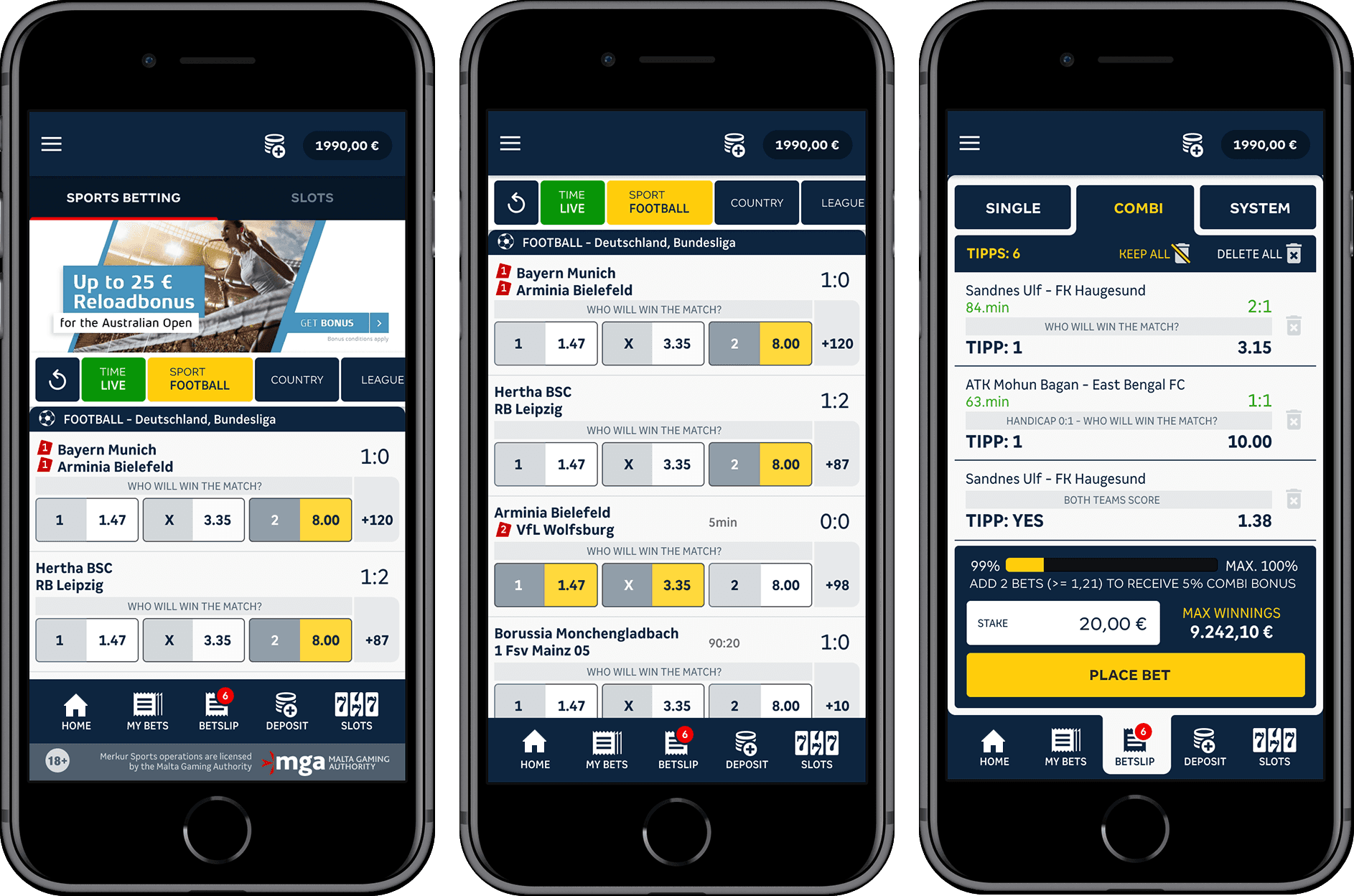
This platform represents a foundational predecessor to a major live betting environment currently in operation. This iteration served as the functional blueprint, establishing the core layout and logic that define the system’s modern presence.
Structural Framework
At this stage of development, the product architecture was designed to bridge two distinct gaming experiences:
High-Frequency Sports Betting: An interface optimized for real-time data consumption and rapid user interaction.
Integrated Gaming Vertical: A streamlined digital slot environment embedded within the broader sports ecosystem.
Technical Legacy
While the visual identity has since been rebranded for the current market, the underlying structural functionality remains largely consistent with this initial layout. These mock-ups document the phase where complex, multi-vertical navigation was first synthesized into a cohesive user journey. This provided the technical framework upon which all subsequent features and scaling efforts were built.
……………………
Case Study: Hierarchical Integration & Live Data
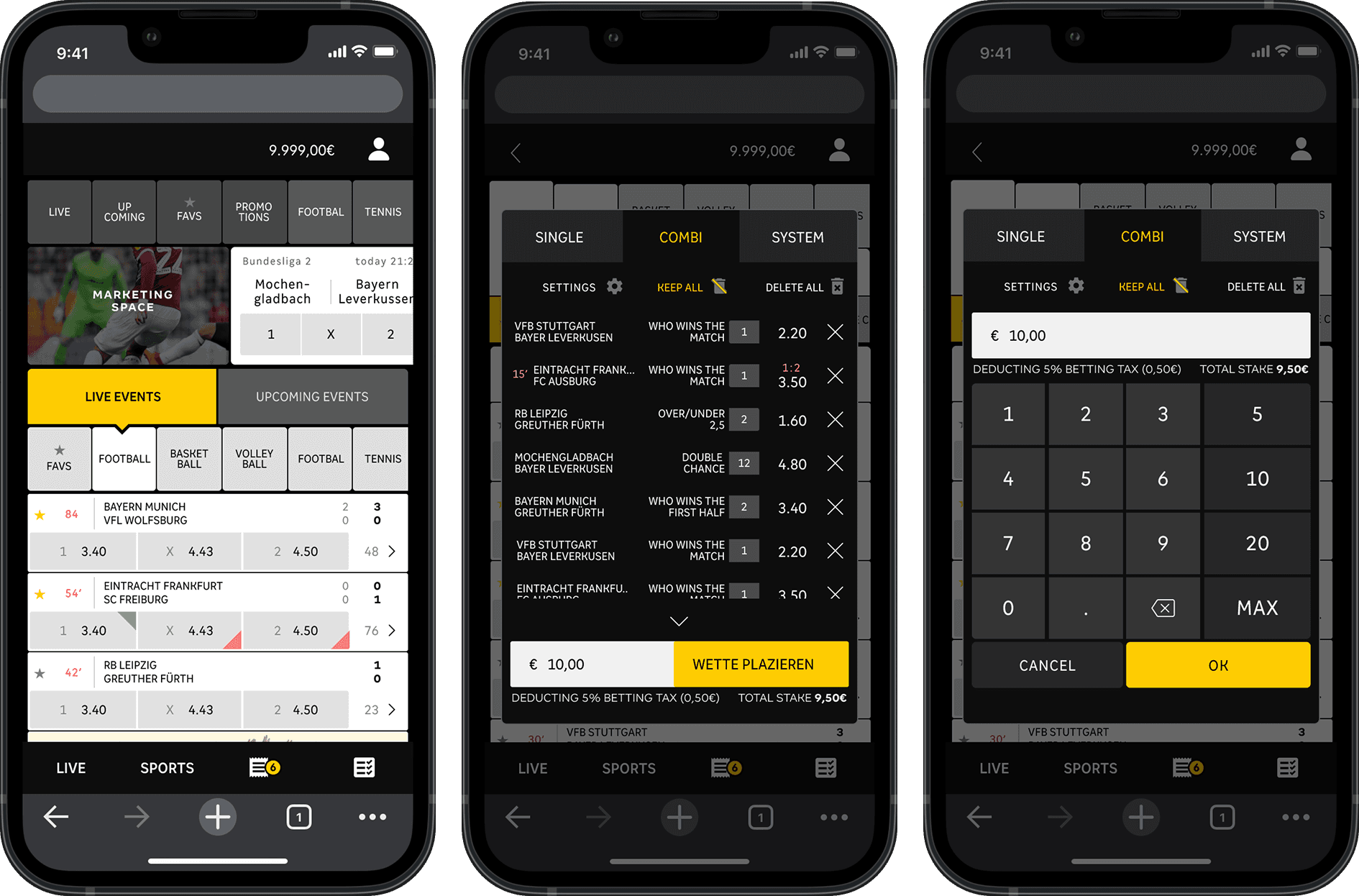
This iteration explored the initial integration of live-action betting functionality into a pre-existing sports framework. The project served as a structural experiment in embedding real-time data streams within a primary interface before they were eventually branched into dedicated verticals.
Visual Logic and Depth Perception
To manage the increased density of information, the design utilized a monochrome palette to sharpen the visual hierarchy. A "light-to-dark" depth metaphor was implemented to intuitively direct user attention:
Luminance as Priority: Brighter elements are reserved for "near" information—immediate, high-priority data and active UI controls.
Depth as Context: Darker tones are used for "deeper" background data and secondary navigation layers, preventing visual overwhelm.
Data Management & Navigation
An expansive, button-based filtering system was engineered to handle massive data volumes, allowing users to navigate thousands of permutations with minimal friction. A key UX requirement was maintaining above-the-fold visibility; despite the functional density of the filtering tools, primary results and live odds remain immediately accessible upon page load to ensure instant utility.
……………………
Case Study: Digital Gaming Library & Discovery Patterns
This project represents an early-stage development of a dedicated digital gaming vertical. It served as a practical application of high-level R&D, testing how users interact with large-scale content libraries within a regulated environment.
Implementing Global Scanning Patterns
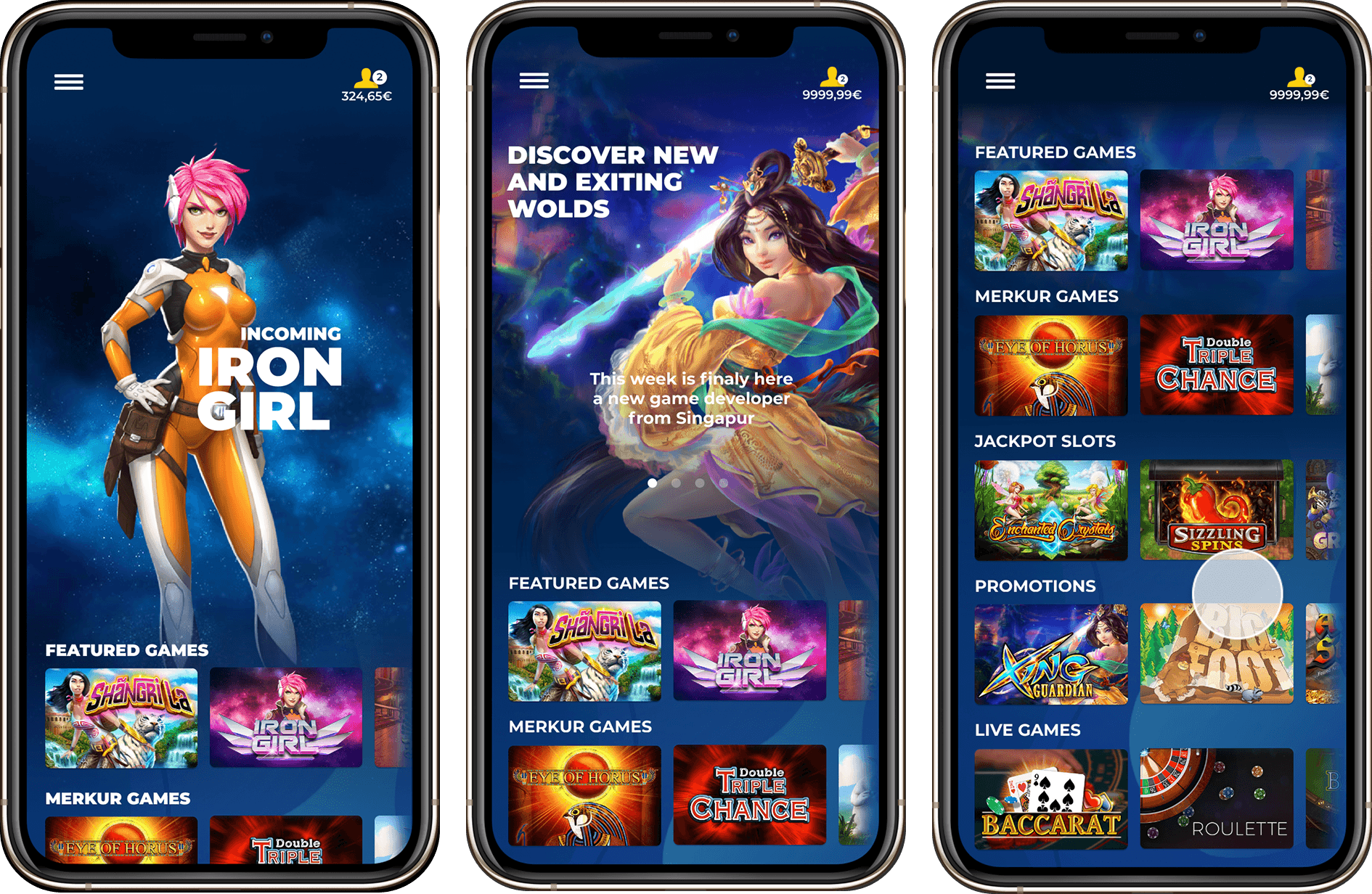
The primary UX objective was to modernize the browsing experience by adopting the horizontal scroll, a mental model popularized by major streaming platforms. In 2021, applying this familiar mechanic to the gaming sector was a strategic move to lower the barrier to entry for new users.
By utilizing this pattern, the interface achieved three key performance goals:
Discovery: Users could scan a vast quantity of titles across different themes without the friction or latency of page refreshes.
Cognitive Load Reduction: By leveraging a globally recognized UX pattern, the interface felt immediately intuitive, reducing the "learning curve" for first-time visitors.
Information Density: A high volume of diverse game categories became accessible through a single vertical scroll, maximizing the use of screen real estate.
Foundational Legacy
This iteration established the core design principles that have since become a standard for the operator’s digital identity. The project successfully shifted the user experience from a static list-based approach to a dynamic, discovery-driven ecosystem.
……………………
Casual Game Interface
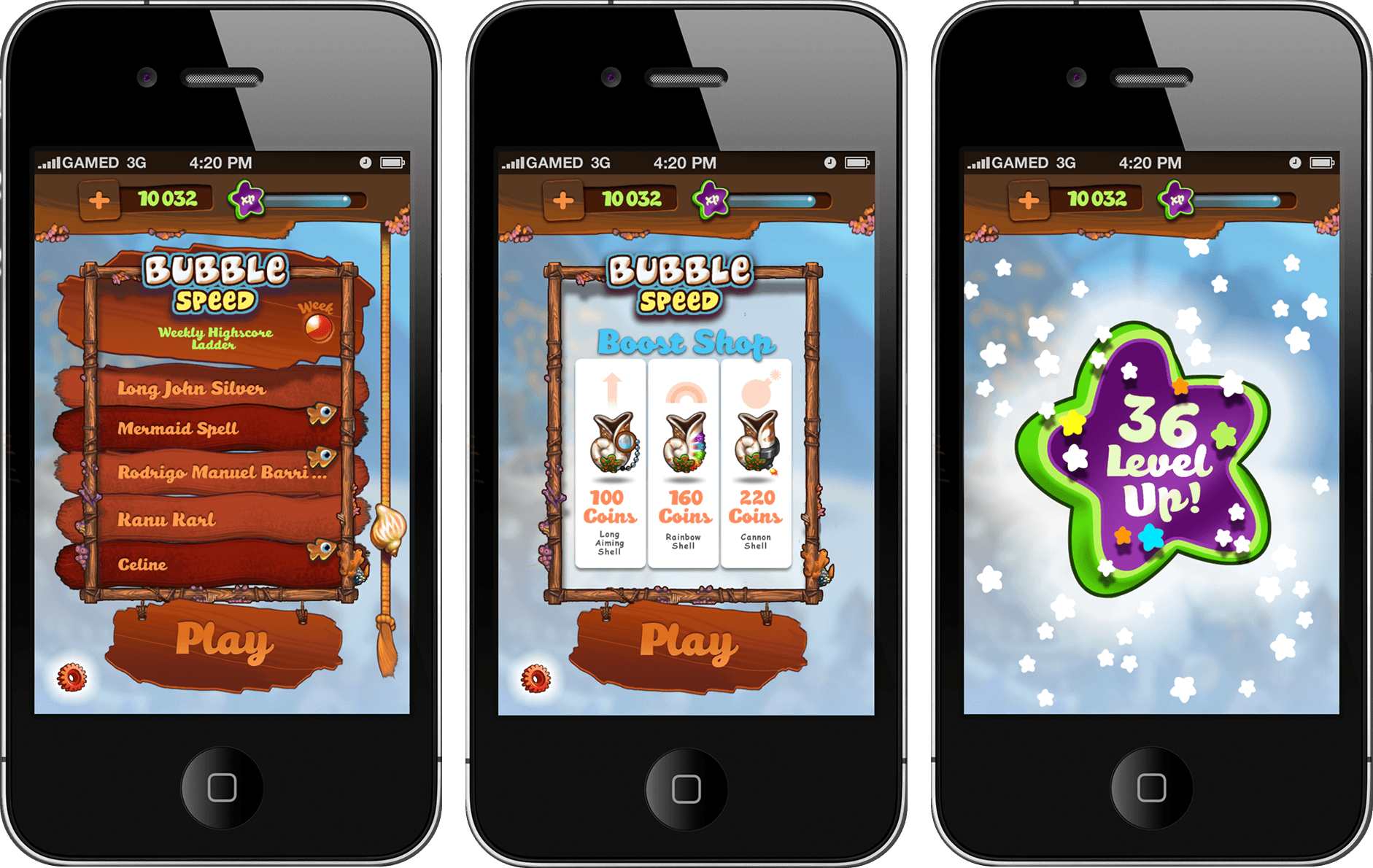
This project was developed for a client prior to my arrival at Merkur. Unlike the high-stakes, data-heavy environment of sports betting, this interface was designed for a casual gaming audience, where the primary objectives are visual engagement, intuitive onboarding, and rapid gameplay cycles.
Design Objectives
The project required a departure from the monochrome, hierarchical structures used in professional betting, focusing instead on:
Vibrant Visual Communication: Using a high-contrast color palette to signal rewards, progress, and interactive elements.
Reduced Friction: Streamlining the user journey to ensure that the transition from the landing page to active gameplay is as seamless as possible.
Touch-First Optimization: Designing for mobile-centric interaction, with larger hit-areas and gesture-based navigation tailored for a casual, often handheld, experience.
Comparative Methodology
This work represents my experience in the broader digital entertainment sector. While the tone is more playful, the underlying UX principles—such as clear call-to-action (CTA) buttons and logical content grouping—remain as disciplined as those found in my more technical financial and gambling projects. It serves as a testament to how I adjust the visual "voice" of a product to match the specific psychological profile of the user base.
……………………
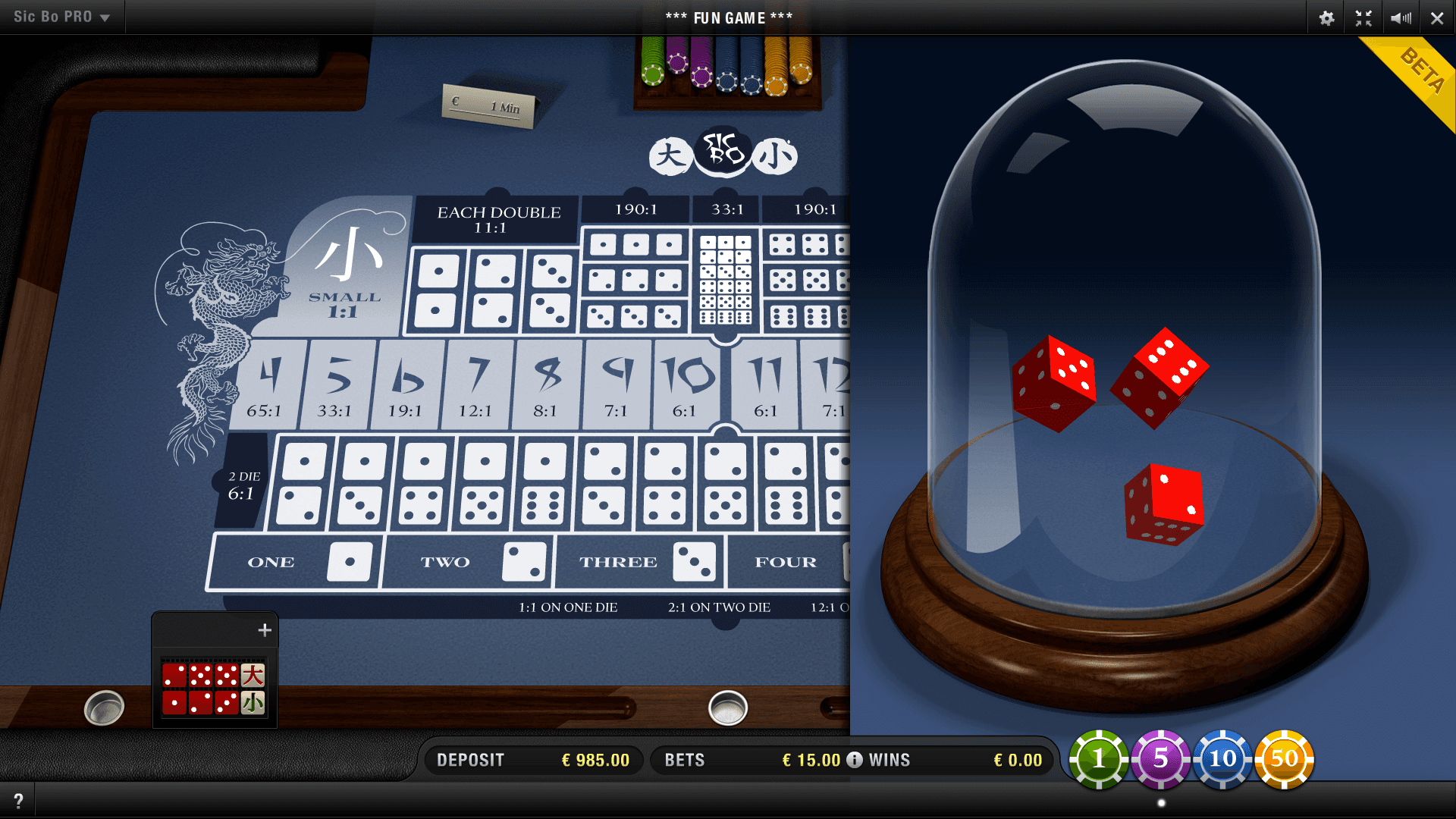
Sic Bo: Interactions and Art Direction (Edict Hamburg)
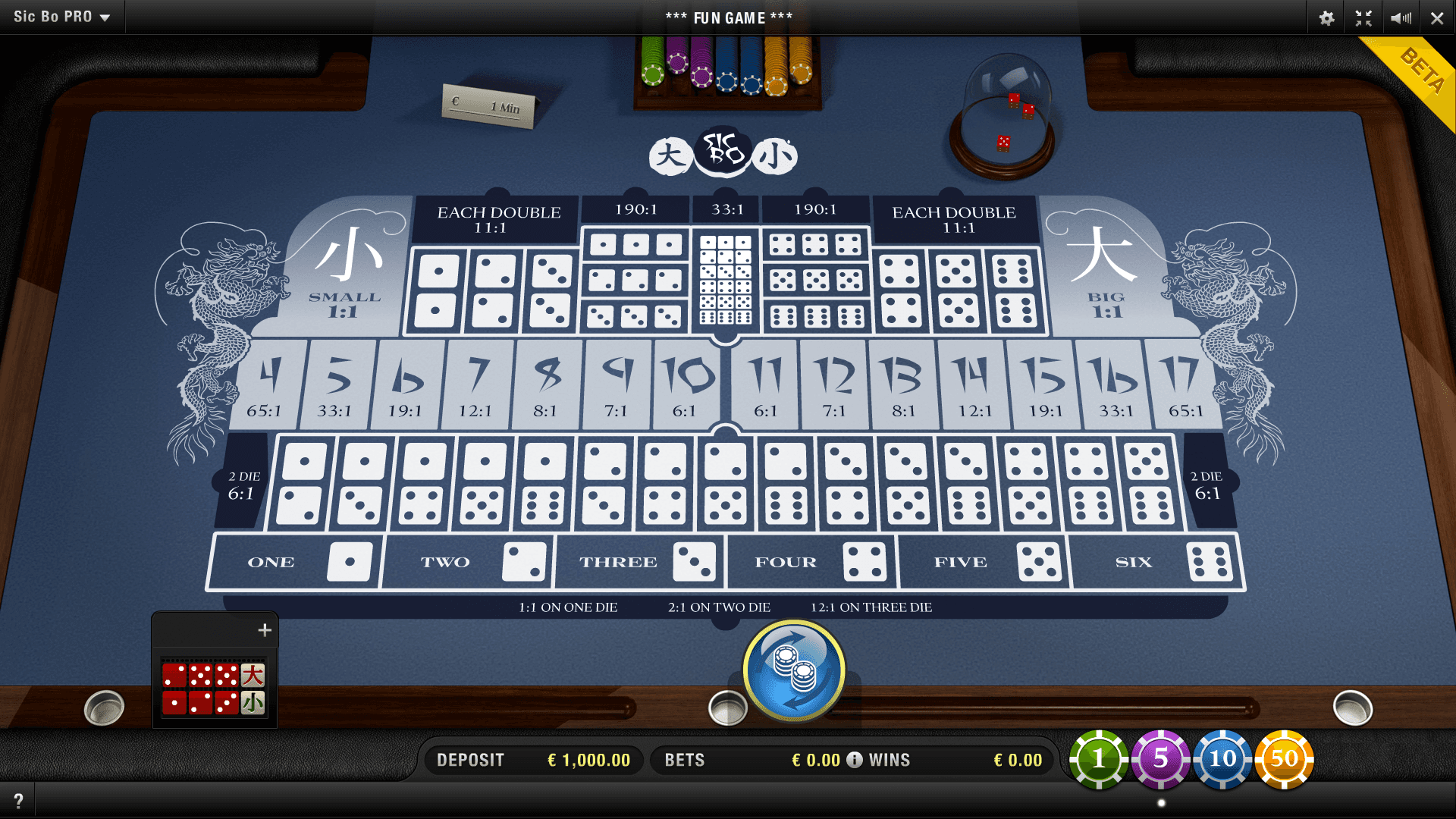
Developed during the era of Flash-based gaming, this project for Edict Hamburg involved the Art Direction and technical prototyping of Sic Bo, a traditional Chinese dice game.
Gameplay Mechanics
Similar to roulette, Sic Bo requires users to place stakes on various outcomes across a complex board. The central mechanic involves three dice contained within a vibrating glass chamber. The outcome is determined by the physical resting position of the dice once the vibration ceases.
The Physics-Logic Synchronization
A primary challenge of this project was ensuring that the visual animation—driven by a 3D physics library—aligned perfectly with the Random Number Generator (RNG) provided by the game's backend. To achieve this, we developed a "pre-calculation" system:
Input: The user initiates the "spin," and the server provides the target result from the RNG.
Calculation: In the space of a single frame, the system simulates the entire physics-based animation of the dice bouncing within the chamber.
Texture Mapping: The system determines the final resting orientation of each die. It then dynamically assigns the correct textures (the "pips" or dots) to the die faces at frame one, ensuring that when the physics simulation naturally concludes, the upward-facing sides reflect the predetermined RNG result.
Execution: The animation then plays out in real-time, providing the user with a fluid, physically-accurate visual experience that remains strictly compliant with gaming regulations.
……………………
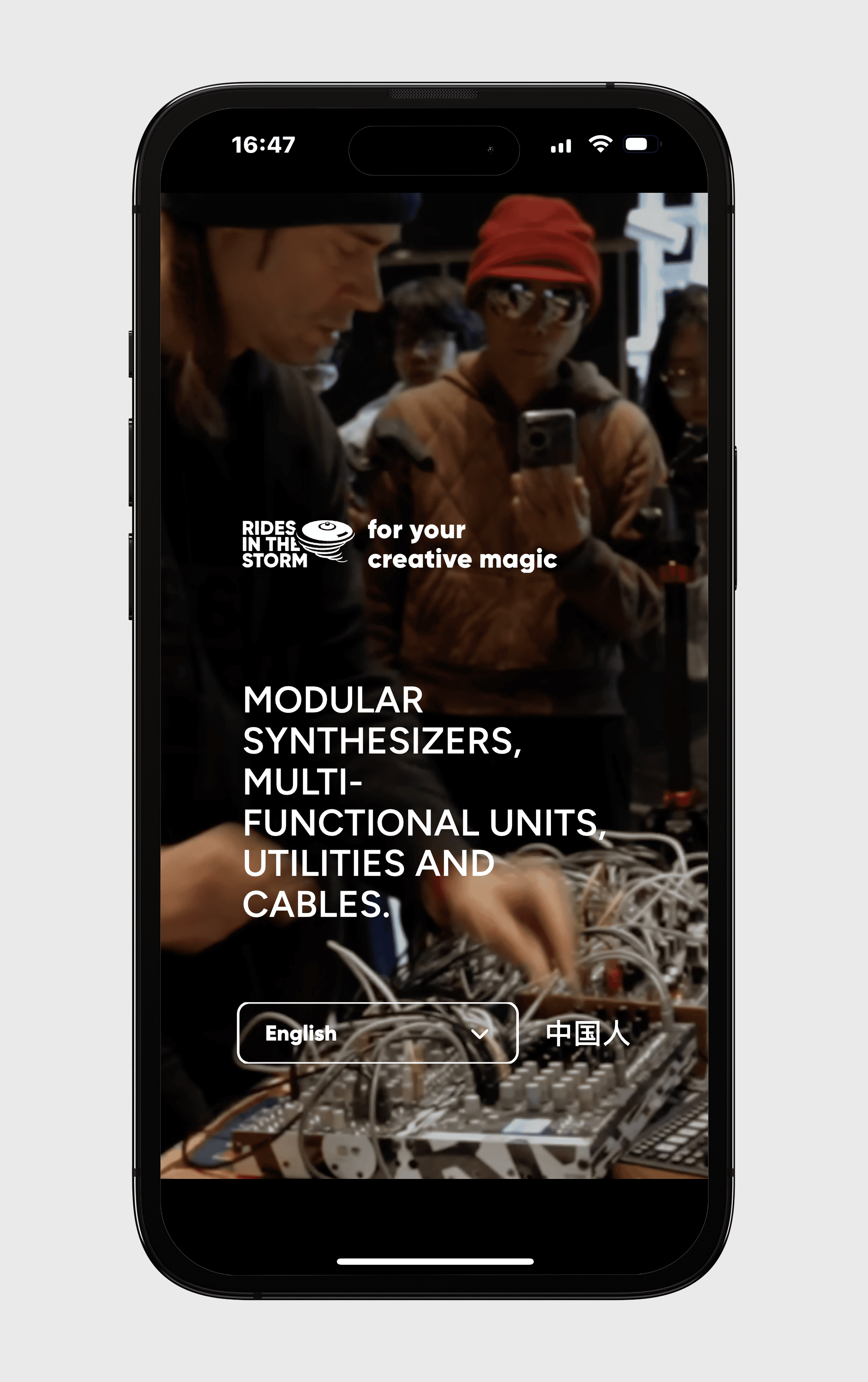
Rides in the storm
High-end Modular Synthesis
Rides in the Storm is a Berlin-based company dedicated to the development and manufacturing of high-end modular synthesizers. Founded as a collaboration between a Berlin musician and product developer and a Bulgarian electronics engineer, the project is driven by a deep technical passion for analog sound.
My role involves managing their digital presence and assisting the design of specific hardware interfaces. The primary function of the website is to serve as a comprehensive catalog of the product palette and a centralized resource for users to access firmware and product updates.
The company currently distributes its modules across Europe, North America, and China, maintaining a global reach within the modular synthesizer community.